Common Causes of Check Engine Light
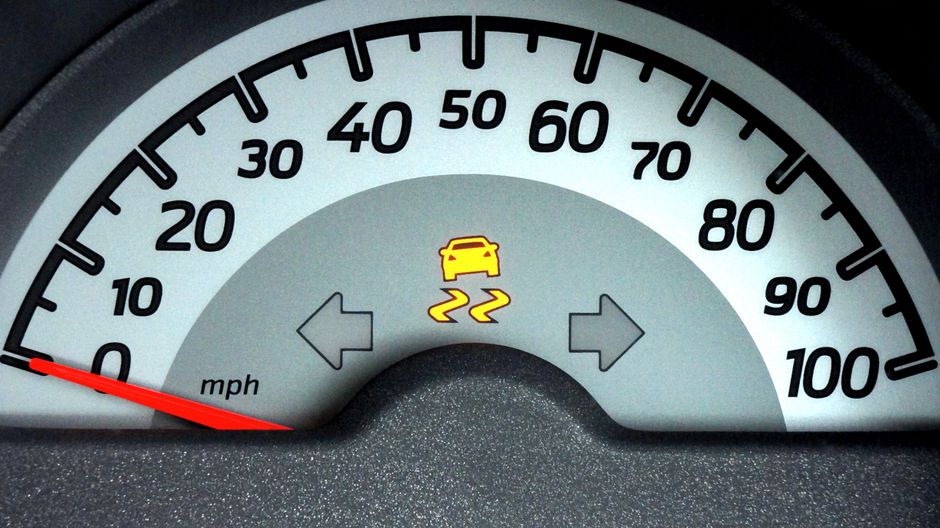
The check engine light is one of the most recognizable indicators on a vehicle’s dashboard. It can illuminate for a wide range of reasons, from minor issues like a loose gas cap to more complex problems involving the engine’s management system. Understanding what the light signifies and how to approach diagnosis can help vehicle owners make informed decisions about maintenance and repairs.
When the check engine light comes on, it typically indicates that the engine control module (ECM) has detected a malfunction or an out-of-range condition in one of the engine’s sensors or systems. The ECM monitors numerous parameters and stores diagnostic trouble codes (DTCs) that can be retrieved with a scan tool. These codes provide a starting point for diagnosis but do not always pinpoint the exact cause. Factors such as driving conditions, maintenance history, and vehicle age can influence both the occurrence and the interpretation of the light.
This article explores common triggers of the check engine light, from simple fixes to more involved diagnostics. It emphasizes a methodical approach to understanding the light’s message, rather than offering definitive solutions. By focusing on the process of diagnosis, vehicle owners and technicians can work together to identify the underlying issue and determine the appropriate course of action.
Understanding the Check Engine Light and Its Role
The check engine light, also known as the malfunction indicator lamp (MIL), is part of a vehicle’s onboard diagnostics (OBD) system. Its primary function is to alert the driver when the ECM detects a problem that could affect emissions or engine performance. The light can be steady or flashing, with a flashing light often indicating a more severe issue that requires immediate attention. In some cases, the light may illuminate briefly and then turn off, which can suggest an intermittent problem.
The OBD system, particularly OBD-II in vehicles from 1996 and later, standardizes the communication of diagnostic codes. These codes are alphanumeric and provide a general indication of the system or component where the fault lies. For example, a P0300 code indicates a random or multiple cylinder misfire, while a P0420 code points to catalytic converter efficiency below threshold. However, codes alone do not always identify the root cause; they are a gateway to further testing and analysis.
It’s important to note that the check engine light does not always indicate an immediate crisis. Many conditions that trigger the light are related to emissions control systems and may not affect drivability. Nevertheless, ignoring the light can lead to increased emissions, reduced fuel efficiency, or more costly repairs if a minor issue escalates. Regular maintenance and timely diagnosis are key to addressing the light’s message effectively.
Common Triggers: From Loose Gas Caps to Sensor Failures
Among the most frequent causes of the check engine light is a loose, missing, or faulty gas cap. The gas cap seals the fuel system and maintains proper pressure. If it is not tightened properly or if the seal is damaged, the ECM may detect a leak in the evaporative emissions system, triggering the light. This is often a simple fix: tightening the cap or replacing it can resolve the issue after a few driving cycles.
Oxygen sensors are another common culprit. These sensors monitor the oxygen content in the exhaust gases and provide feedback to the ECM for adjusting the air-fuel mixture. A faulty oxygen sensor can cause the engine to run rich or lean, leading to increased emissions, poor fuel economy, and potential damage to the catalytic converter. Symptoms may include rough idling, surging, or a noticeable decrease in performance.
Other frequent triggers include:
- Mass airflow sensor (MAF) issues: The MAF sensor measures the amount of air entering the engine. Contamination or failure can lead to incorrect fuel delivery, causing hesitation, stalling, or a check engine light.
- Spark plug and ignition coil problems: Worn spark plugs or faulty ignition coils can cause misfires, which the ECM detects and may illuminate the light. Misfires can also damage the catalytic converter over time.
- Catalytic converter inefficiency: The catalytic converter reduces harmful emissions. When it fails or becomes clogged, the ECM may set a code indicating below-threshold efficiency. This can be caused by other issues, such as a misfire or a faulty oxygen sensor.
- Exhaust gas recirculation (EGR) valve problems: A clogged or stuck EGR valve can affect emissions and cause the check engine light to come on, often accompanied by rough idling or knocking.
- Evaporative emissions (EVAP) system leaks: Besides the gas cap, other components like hoses, purge valves, and charcoal canisters can develop leaks, triggering the light.
These are just a few examples; the exact cause can vary by vehicle make, model, and mileage. A systematic diagnostic process is essential to avoid replacing parts unnecessarily.
Diagnostic Approaches Using OBD-II Scanners
When the check engine light appears, the first step in diagnosis is to retrieve the stored trouble codes using an OBD-II scanner. These scanners are widely available and can be simple handheld devices or more advanced tools that provide live data. The codes retrieved give a starting point, but they must be interpreted in the context of the vehicle’s specific symptoms and history.
After retrieving codes, a technician or vehicle owner can perform visual inspections and tests to confirm the fault. For instance, if a code indicates a misfire, checking the spark plugs, ignition coils, and fuel injectors is logical. If an EVAP leak is suspected, a smoke machine can help locate the leak. Live data streaming can show sensor readings in real time, helping to identify anomalies.
It is important to clear codes only after repairs are made and to verify that the issue is resolved. Simply clearing the codes without addressing the underlying problem will likely result in the light returning. Some issues may require a drive cycle to complete readiness monitors before the light resets. For intermittent problems, keeping a log of when the light appears and any accompanying symptoms can aid diagnosis.
When to Seek Professional Diagnosis
While some causes of the check engine light are within the scope of a DIY enthusiast, others require professional equipment and expertise. If the light is flashing, it often indicates a severe misfire that can damage the catalytic converter; in such cases, it is advisable to reduce speed and seek service promptly. Similarly, if the vehicle exhibits drivability issues such as stalling, severe loss of power, or unusual noises, professional diagnosis is recommended.
Complex systems like the catalytic converter, transmission, or advanced emissions controls may require manufacturer-specific scan tools and procedures. A qualified technician can perform in-depth tests, such as oscilloscope analysis of sensor signals or pressure testing, to pinpoint the fault. Attempting repairs without proper knowledge can lead to misdiagnosis and unnecessary parts replacement.
For those who prefer a hands-on approach, building a relationship with a trusted mechanic or using resources like repair manuals and online forums can be beneficial. However, it’s essential to recognize the limits of one’s skills and tools. The goal is to address the root cause efficiently and safely, ensuring the vehicle remains reliable and compliant with emissions regulations.
Regular maintenance, including timely replacement of spark plugs, oxygen sensors, and filters, can help prevent some common triggers of the check engine light.
Preventive Measures and Maintenance Considerations
While not all check engine light triggers are preventable, adhering to the manufacturer’s maintenance schedule can reduce the likelihood of certain issues. Regular oil changes, air filter replacements, and inspections of the fuel cap and vacuum hoses are simple steps that can help. Using the correct fuel grade and avoiding overfilling the gas tank can also prevent EVAP system problems.
Paying attention to early warning signs, such as decreased fuel economy, rough idling, or unusual smells, can prompt timely diagnosis before the light illuminates. Keeping a record of maintenance and repairs can provide valuable context if a problem arises. Additionally, being aware of recalls or technical service bulletins (TSBs) for your vehicle model can alert you to known issues that may cause the check engine light.
In summary, the check engine light is a diagnostic tool that communicates the presence of a fault. Understanding common causes and following a logical diagnostic process can help demystify the light and lead to effective resolution. Whether you choose to diagnose issues yourself or seek professional assistance, a methodical approach is key. Motor Trust emphasizes the importance of informed decision-making and proper maintenance to support vehicle longevity and performance.